The August Storm Prep Checklist for Central Florida Communities
Run this August storm prep checklist before the season's statistical peak. We offer a complimentary on-site inspection to sort what needs a crew.
10 min read
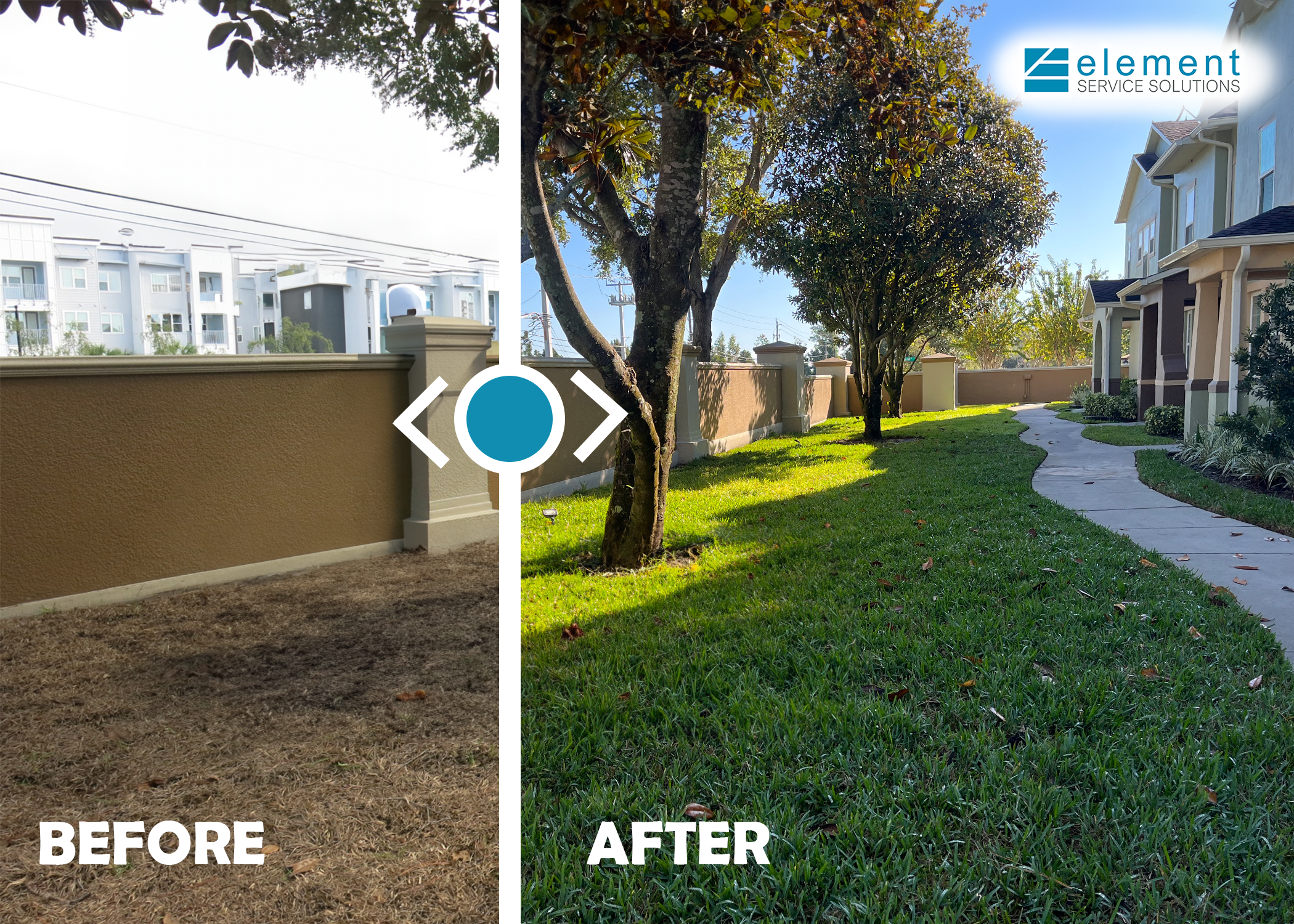
New sod dies in the same spot again. We offer a complimentary on-site inspection to find the real cause before the next pallet arrives, because a repeat failure almost always traces back to something the sod itself never had a chance to fix.
Bare dirt does not fix itself, and neither does a new roll of sod laid over the same underlying conditions that killed the last one.
A strip that stays bare, or goes bare again after a fresh resod, generally comes down to one of three conditions. All three are common in Central Florida communities, and none of them are fixed by grass alone.
Compacted soil. Soil packed down by equipment, foot traffic, or years of standing water does not let new roots spread. Sod laid on top of compacted soil can look fine for a few weeks before it thins out and dies back, because the roots never established below the surface layer.
Irrigation that does not reach. A sprinkler head aimed wrong, a zone with weak coverage, or a strip just outside the irrigation pattern altogether starves new sod at exactly the stage it needs consistent water most. The lawn beyond the dry strip can look healthy while the strip itself struggles, which is often the clearest sign irrigation is the actual cause.
Foot traffic that never lets grass establish. A strip that sits along a shortcut, a mail cluster, or a common walking path gets worn down before new sod roots can take hold, no matter how well it was installed. The traffic pattern has to change, or be routed around, or the same spot goes bare again on the same schedule.
Beyond the three predictable causes above, two additional conditions show up often enough in Central Florida communities to name directly, since both are easy to miss during a quick walk of the property.
Shade. Most common turf varieties used in Florida communities need a meaningful amount of direct sun each day. A strip tucked under a dense tree canopy, along a shaded building elevation, or behind a tall wall can fail repeatedly no matter how well the soil and irrigation are handled, simply because the grass is not getting enough light to sustain itself.
Poor drainage. A strip that holds standing water after a normal rain, rather than draining within a reasonable time, drowns new roots the same way compacted soil starves them of air. Drainage and compaction often travel together, but they are not the same problem, and fixing one without checking the other can leave a strip that still fails.
Before approving another resod, a board or CAM can walk through a short set of physical checks to narrow down which of the five causes above is actually at play. None of these require special equipment.
The after photo in a good sod job is not magic. It comes from addressing the conditions above before a single roll of sod goes down, then finishing the install correctly.
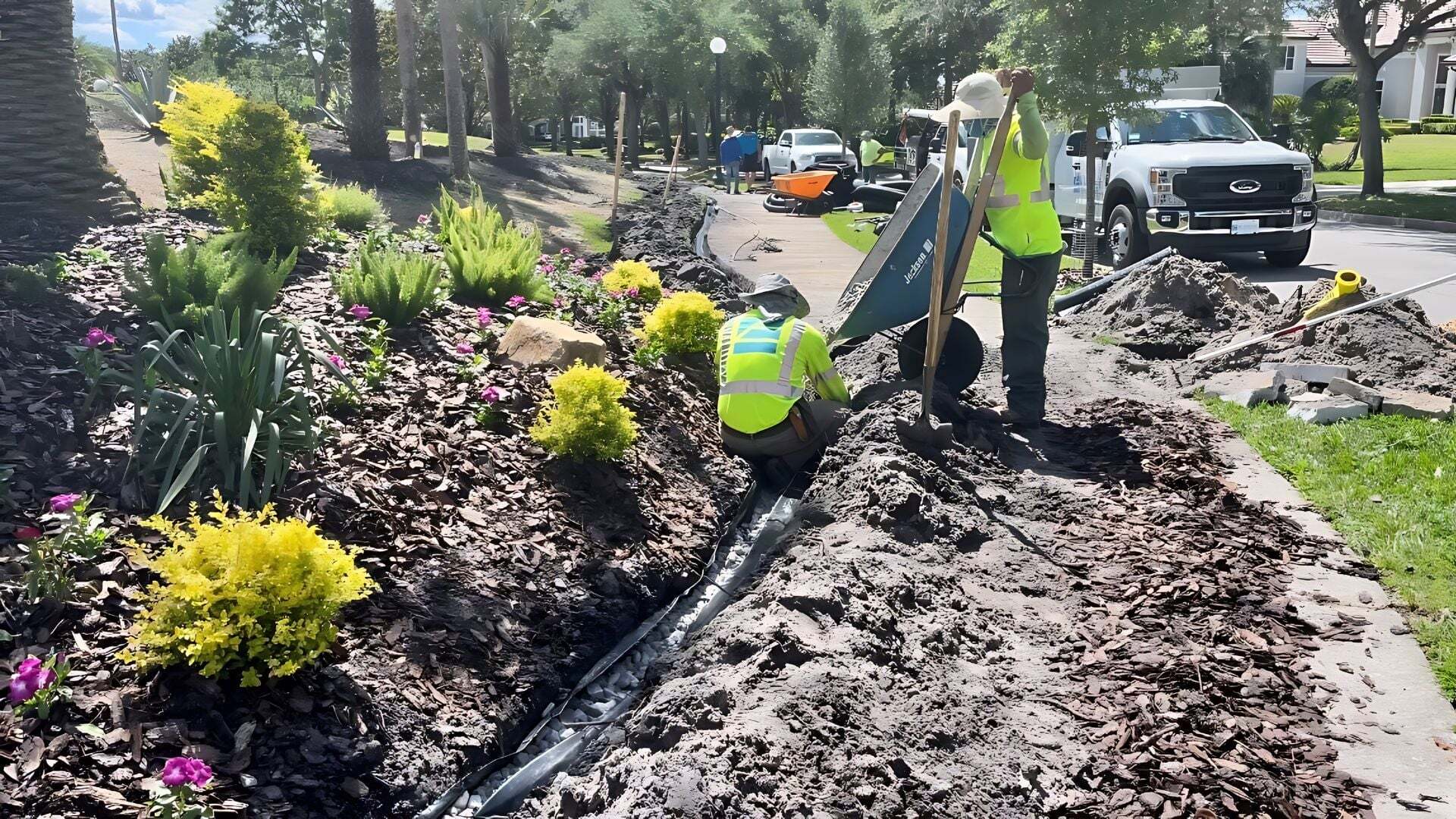
Grading. The area gets shaped so water moves the way it is supposed to instead of pooling or running off before it soaks in.
Soil prep. Compacted soil gets broken up and amended so new roots have somewhere to actually grow, rather than sitting on a hard layer just below the surface.
Irrigation adjustment. Heads get redirected, added, or adjusted so the new sod actually falls inside a working watering pattern instead of relying on whatever coverage happened to exist before.
Tight seams. Sod laid with gaps at the seams gives weeds an opening and lets edges dry out faster than the rest of the piece. Laid tight, with no gaps, the new lawn establishes as one continuous surface instead of a collection of separate patches.
A resod that addresses the underlying cause follows a set order, and skipping ahead to just laying sod is exactly how a repeat failure gets baked back in.
New sod does not finish rooting the day it is installed. The weeks that follow determine whether the install actually takes hold or repeats the same failure on a delay.
| Timeframe | What the lawn needs | Why it matters |
|---|---|---|
| Days 1 to 7 | Frequent, light watering, often more than once a day in hot weather | Roots have not yet reached into the soil below; the sod itself can dry out fast |
| Days 7 to 21 | Watering tapers to fewer, deeper sessions; foot traffic kept off the area | Roots begin extending downward and need to be encouraged to grow deep, not stay shallow |
| Weeks 3 to 6 | First mowing once rooted (sod should resist a gentle tug), normal irrigation schedule resumes | Confirms establishment before the lawn is exposed to regular wear |
| Ongoing after week 6 | Normal mowing height and irrigation cadence for the turf variety installed | The strip has transitioned from an installation to a maintained lawn |
A strip that gets normal foot traffic or a full mowing height reduction before it has actually rooted is at real risk of failing in the same way it failed before, even with perfect soil and irrigation work underneath it.
Central Florida communities generally choose among a small number of common turf types, and each has different tolerances worth matching to the actual conditions of the strip in question rather than defaulting to whatever was there before.
None of these substitute for fixing soil, drainage, and irrigation. Matching turf variety to conditions narrows the gap; it does not replace addressing the actual cause of failure.
Some strips have failed enough times, for reasons that cannot be fully corrected, that continuing to resod is simply the same outcome on repeat. A heavily shaded strip under a permanent tree canopy, or a strip directly on a high-traffic shortcut that cannot be rerouted, are common examples.
In these cases, converting the strip to mulch, decorative rock, or a hardscape path is often the more durable answer than another resod cycle. A deliberately placed walkway can even resolve the traffic-wear cause directly, since it gives foot traffic a surface built for it instead of grass that was never going to hold up to it.
A simple resod record, kept over time, turns a repeat mystery into a documented pattern that makes the next decision easier and gives a vendor useful history instead of a blank slate.
Green holds because the conditions changed, not just because new grass was installed. That is the difference between a resod that lasts and a resod that goes back to bare dirt on the same timeline as the last one.
A board that has resodded the same strip more than once should ask about soil and water before approving another straight reinstall. The photo above shows what is possible when the underlying causes get addressed first. It is not what happens by default when sod goes down over the same unaddressed ground.
Diagnosing a repeat sod failure follows the same logic as diagnosing a repeat wall crack or a repeat drainage complaint: the visible symptom is rarely the actual cause, and treating the symptom alone guarantees a repeat. See our rust stains on community walls guide for the same pattern in masonry.
Irrigation is one of the three predictable causes above, and it deserves its own routine check independent of any resod project. Our irrigation system checklist covers what a board should be checking on a normal schedule, not just when sod is already failing.
A dry or worn strip is also worth checking during the same seasonal property walk boards use for storm prep and drainage. See our August storm prep checklist for that broader walk-the-property routine.
The same "surface fix versus real cause" decision shows up in concrete work, where grinding solves a different set of conditions than a full slab replacement. Our sidewalk grinding vs replacement guide walks through that decision for a different material entirely.
How long does new sod take to establish? Most sod begins rooting within the first one to three weeks and reaches a mowable, traffic-tolerant state within four to six weeks, depending on season and conditions.
Can I tell if soil is compacted without special tools? Pushing a screwdriver or similar tool into the bare strip and comparing the resistance to a healthy area of lawn is a simple, reliable field test.
Does a shaded strip ever recover with a variety change alone? A more shade-tolerant variety can improve results, but heavily shaded strips under dense canopy often still struggle, and soil and drainage still need to be addressed alongside the variety choice.
Why does the lawn look fine right next to a strip that keeps failing? That pattern usually points to a localized cause, such as an irrigation gap, a worn path, or a drainage low point specific to that strip rather than a property-wide issue.
Is it normal to resod the same strip more than once? Occasionally, yes, but a pattern of repeat failure on the exact same strip without any change in approach means the underlying cause has not actually been addressed.
Should new sod be watered every day? During the first week, frequent light watering is normal. By weeks two and three, watering should taper to fewer, deeper sessions to encourage deeper root growth.
When does hardscape make more sense than another resod? When a strip has failed repeatedly for a reason that cannot be fully corrected, such as permanent deep shade or an unavoidable traffic path, a mulch bed, rock, or walkway is often the more durable long-term answer.
Before approving another straight resod on a strip that has failed before, ask what changed about the soil, the irrigation, or the traffic pattern this time. If the answer is nothing, the new sod is on the same timeline as the last one.
A resod that lasts costs the same labor either way. The difference is whether the conditions that killed the last lawn get fixed along with it.
Send us a photo of the strip that keeps failing and we will tell you what we see. We offer a complimentary on-site inspection and a clear, specific proposal for sod, grading, and irrigation work across Central Florida, including Orlando, Longwood, Sanford, Maitland, Casselberry, Winter Park, and Lake Mary, as part of our general maintenance services. Call the office at (407) 744-9122 or contact us to get the soil and water checked before the next pallet arrives.
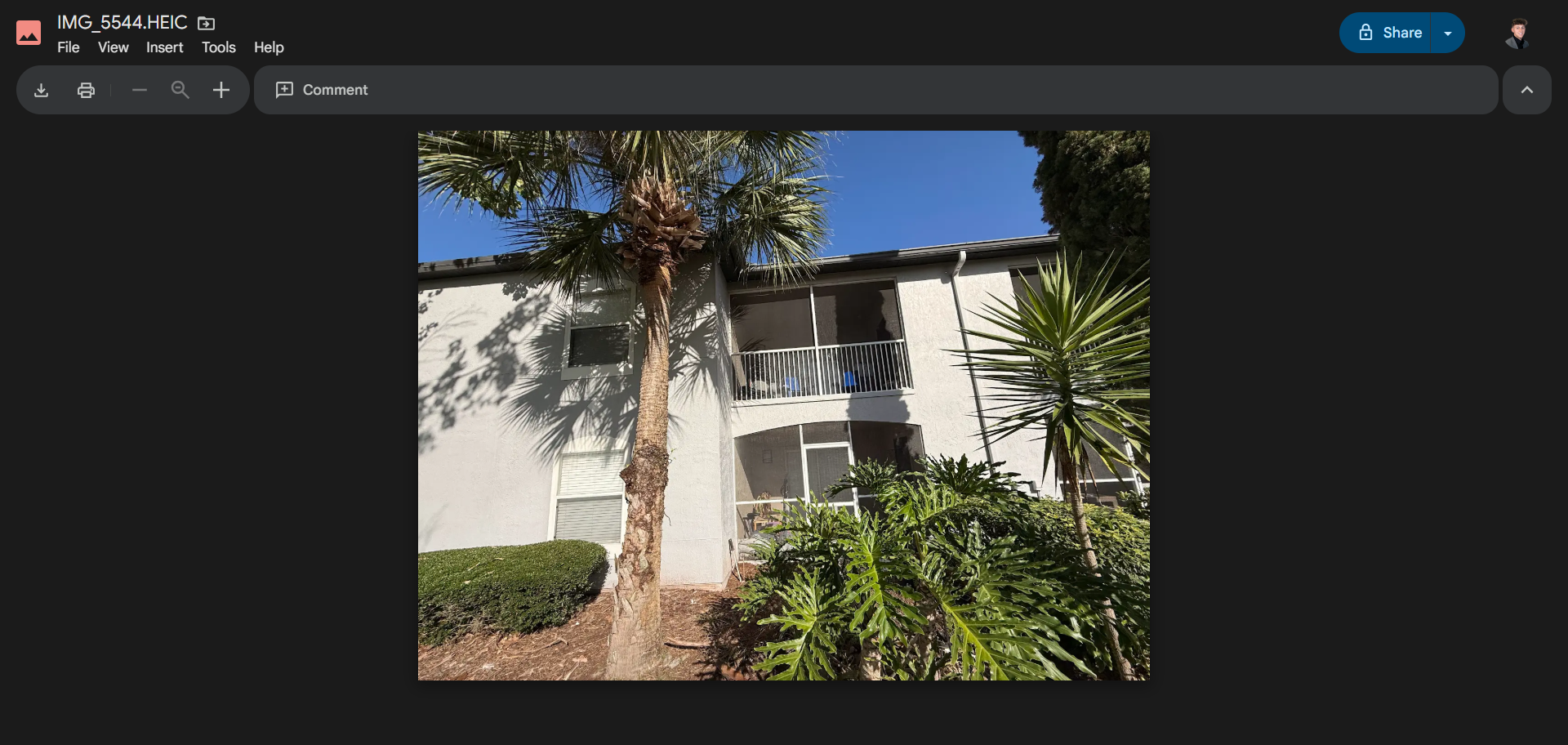
Run this August storm prep checklist before the season's statistical peak. We offer a complimentary on-site inspection to sort what needs a crew.
A small gutter repair on a tall building is about reach, not material. We offer a complimentary on-site inspection to scope the real access work.
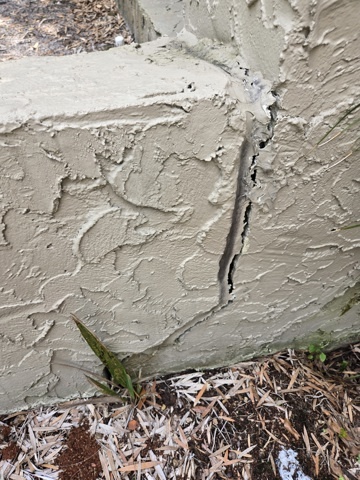
A vertical crack at a stucco corner is usually movement, not damage. Learn the test and request a complimentary on-site inspection today.