1 min read
How Florida Boards Vet a Contractor Before Signing
Two checks catch most of the problems boards describe to us after a bad hire: an active license that matches the proposal, and an insurance...
11 min read
Gavin Sederopoulos : Updated on August 14, 2026
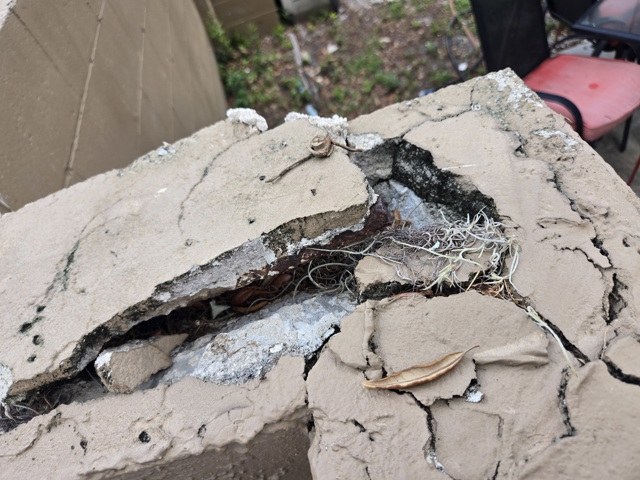
Rust stains on a wall crack mean water reached the steel inside. We offer a complimentary on-site inspection before it spreads further, but the more useful thing a board can do first is know what that stain is actually telling you.
A rust-colored streak bleeding out of a crack in a block or masonry wall is not a paint problem. It is a structural one, and it gets worse on its own timeline whether anyone looks at it or not.
Concrete and masonry walls hold internal reinforcing steel, rebar, to carry structural load. That steel is buried on purpose, protected from air and moisture by the material around it.
Once water finds a way in through a crack, a failed seal, or a shrinking cap joint, it reaches the steel and starts the corrosion process. Rust takes up more volume than the steel it replaces. That expansion pushes outward from the inside, which is exactly why the surrounding concrete or block cracks and eventually spalls away.
The rust stain you see on the surface is the visible evidence of a process already underway somewhere you cannot see directly. By the time a stain reaches daylight, the corrosion behind it has usually been active for a while.
You do not need a chemistry background to understand this. Three things have to be present for steel to rust: iron, water, and oxygen. Rebar is mostly iron, so the wall already has one ingredient built in.
When water carrying oxygen reaches bare steel, the surface of the steel converts to iron oxide, which is rust. Rust is a bulkier, flakier material than the solid steel it replaces. That volume increase is the whole mechanism behind cracking concrete from the inside out.
Fresh, sound concrete is naturally alkaline, with a pH high enough to keep steel in a protected state. Engineers call this passivation. It is a thin, stable layer that forms on the rebar surface and blocks the rusting reaction, as long as the concrete around it stays intact and alkaline.
Passivation is why rebar can sit inside concrete for decades without a problem. The concrete is not just a physical barrier, it is a chemical one too, and that chemical protection is doing real work every day the wall stands.
Two things routinely defeat passivation in Florida conditions. The first is carbonation, a slow reaction where airborne carbon dioxide works into the outer layer of concrete over years and lowers its alkalinity. Once the alkaline buffer around a bar drops enough, the passivation layer breaks down and the steel is exposed to ordinary corrosion.
The second is chloride exposure, meaning salt. Central Florida sits close enough to the coast and to brackish waterways that airborne salt and salt-laden groundwater are common, and chloride ions are especially aggressive at breaking down passivation, even in concrete that otherwise looks sound.
Cracks accelerate both processes because they give water, air, and salt a direct path to the steel instead of making them work through solid material first. A crack is not just a cosmetic flaw, it is a shortcut for exactly the conditions that start corrosion.
Wall caps take the most direct weather exposure of any part of a masonry wall, so they are often the first place this shows up. A cap section that starts shedding small pieces of concrete, rather than just cracking, is telling you the corrosion has advanced far enough to physically separate material from the steel underneath.
That is a different repair category than a hairline surface crack. A shedding cap usually means the work ahead includes removing the damaged section, addressing the exposed steel directly, and rebuilding rather than patching over the surface.
Not every stain on a masonry wall is corrosion. Boards see three different stain types most often, and mixing them up leads to the wrong response, either ignoring a real problem or worrying over a harmless one.
The table below is a quick field reference. Color and texture are the fastest way to sort one from another during a property walk.
| Stain Type | Color and Texture | Typical Location | What It Means |
|---|---|---|---|
| Rust staining | Orange to reddish-brown, often streaking downward from a crack, smooth to the touch | Emerging directly from a crack, control joint, or cap seam | Water has reached corroding steel behind the surface; needs inspection |
| Efflorescence | White to gray, powdery or crystalline, brushes off easily when dry | Broad areas of block or concrete, especially near grade or after rain | Mineral salts carried to the surface by moving water; a moisture indicator, not steel corrosion |
| Organic staining | Black, green, or dark gray, often fuzzy or slightly raised, follows shaded or damp patterns | North-facing or shaded walls, areas near irrigation spray or mulch beds | Algae, mildew, or tannin buildup from organic debris; a cleaning and maintenance item, not structural |
Efflorescence and organic staining are worth noting on a property walk, but they are not the same alarm as rust. Efflorescence tells you water is moving through the material. Organic staining tells you a surface stays damp or shaded long enough to grow something on it. Rust tells you steel is actively corroding. Only one of the three points at a structural clock already running.
Two shortcuts get tried on rust-stained walls constantly, and both fail for the same underlying reason: neither one touches the steel that is actually causing the problem.
Painting over a rust stain hides the color for a while. It does nothing to the corroding steel underneath, and the stain bleeds back through the new paint on its own schedule, usually faster than anyone expects.
Patching over a crack without treating the exposed or corroding steel first is the same mistake with concrete instead of paint. The patch material bonds to the surface, not to a steel bar that is actively rusting and expanding underneath it. The new patch cracks again, often in close to the same spot, because the condition that caused the first crack was never addressed.
A repair that lasts removes the loose or damaged material, treats or replaces the corroded steel itself, and then rebuilds the section properly. Skipping the steel step is what turns a one-time repair into a recurring line item.
Boards do not need a structural engineer to do a useful first pass on this. The test is simple: follow any wall crack to its widest point and look at the color there.
A clean gray crack with no staining is worth noting and monitoring. A crack that shows any rust color, even a faint one, means water has already reached steel somewhere along that crack's path. The clock on that section is already running, whether or not the crack looks urgent today.
This is the same discipline behind a good sidewalk inspection habit, where a crack's behavior over time tells you more than its appearance on any single day. See our sidewalk trip hazard guide for how that same follow-the-crack habit applies to concrete panels.
A single walk tells you what a wall looks like today. A routine tells you whether it is getting worse. The difference matters, because rust-driven cracking is a slow process that can take months to change visibly, and a board that only looks once a year will miss the early window every time.
A quarterly pass is enough for most communities on walls with no known issues. Any wall with an active rust stain or a known crack deserves a monthly look until the condition is scoped and repaired. After a named storm or unusually heavy rain event, add an extra walk regardless of the regular schedule.
Keep the log simple enough that whoever is walking the property actually fills it out. Four fields cover what matters:
A simple log template looks like this:
| Date | Wall / Location | Crack Width Impression | Stain Color and Size | Photo Taken | Change Since Last Walk |
|---|---|---|---|---|---|
The "change since last walk" column is the one that earns its place. A stain that is the same size it was three months ago is a different conversation than one that has visibly grown. Consistent photos, same angle and distance each time, make that comparison obvious instead of a guess.
The single biggest variable in how involved a wall repair becomes is timing. The same crack, caught early versus caught late, is not the same job. The table below compares the two situations by scope, not by cost.
| Stage | Visible Condition | Typical Scope of Work |
|---|---|---|
| Early | Faint rust stain, hairline crack, cap intact and not shedding | Localized crack routing and sealing, spot-treatment of any exposed steel, surface coating where appropriate |
| Advancing | Wider crack, clearer rust staining, small surface spalls starting | Removal of the affected surface layer, cleaning or treating the exposed rebar, patch and rebuild of the local area |
| Late | Cap actively shedding concrete, visible exposed and corroded rebar, section separation | Demolition of the full damaged section, replacement of compromised rebar, formwork, and rebuild of the wall or cap section from structural steel out |
The pattern across every stage is the same: earlier intervention keeps the work localized and simple. Later intervention pulls in demolition, steel replacement, and a full rebuild of the affected section rather than a repair of the surface alone. Nothing about that changes based on which wall it is or what community it sits in.
Once a wall repair like this is scoped, the work follows a fairly consistent order. Exact timing depends on wall size and access, but the sequence itself does not change much from job to job.
Smaller cap sections can move through this sequence in a matter of days from start to finish. Larger structural sections with column work take longer, mainly because of cure time between steps rather than active labor.
This same access, containment, and sequencing discipline applies to structural concrete work generally. Our what-to-expect guide walks through that kind of on-site process for a different scope, but the logic carries over directly.
Every mechanism described above starts with water reaching steel that used to be protected. Reduce the water reaching a wall, and you reduce how often this problem starts in the first place.
Grading that slopes away from a wall keeps standing water from sitting against the base of it after every rain. Downspouts and gutters that discharge well clear of a wall, rather than dumping directly onto or against it, cut down on concentrated water exposure at the exact spots most prone to cracking. Our gutter repair guide covers what that discharge routing should look like on taller buildings.
General site drainage matters just as much on the ground plane. A property where water pools near foundation walls after ordinary rain is a property priming its own walls for this exact failure pattern over time. Our hurricane drainage check guide covers a simple standing-water test that applies here directly, and our August storm prep checklist rolls that same drainage-walk habit into a broader pre-season routine.
None of this eliminates the need to inspect and repair walls that already show rust staining. Prevention reduces how often new sections start the process, it does not undo corrosion already underway on an existing crack.
Rust-stained wall cracks are one entry in a broader family of Florida exterior failures that all trace back to water finding a way past a protective surface. Stucco corners crack for a related but distinct reason, ongoing building movement at a control joint; see our stucco corner crack guide for that diagnosis.
Concrete slabs and patches fail on a similar logic to what is described here, material bonding to a surface instead of addressing what is moving or corroding underneath. Our concrete patch failure guide covers that pattern in flatwork rather than walls.
Once a wall repair like this is scoped, the actual demo, steel work, and rebuild follow a process similar to any other structural concrete repair, access, containment, and sequencing matter as much as the material. Our what-to-expect guide walks through that kind of on-site process for a different scope, but the access and scheduling logic carries over.
A rust stain always means water has reached steel and corrosion has started. It does not always mean the damage is extensive yet. Early-stage staining with a tight crack and an intact cap is a much smaller repair than an advanced case, but the underlying process is the same either way.
Surface cleaning removes the visible color but does nothing to the corroding steel behind it. The stain returns because the source of it is still active. Cleaning is a cosmetic step at best, never a substitute for addressing the steel itself.
Efflorescence is a white, powdery mineral deposit left behind by moving water, not a sign of corroding steel. It is worth noting as a moisture indicator and monitoring, but it does not carry the same urgency as a rust-colored stain coming from a crack.
No. A clean, dry crack that never lets water reach the steel inside can stay stable indefinitely. The risk starts once water finds a consistent path in, which is why sealing a crack early is worth doing even before any staining appears.
Smaller cap or surface sections often move from demolition through finish match within a matter of days, with cure time accounting for most of that window. Larger structural sections involving column work or extensive rebar replacement take longer, mainly due to additional cure time between steps.
Rust staining is orange to reddish-brown and traces back to a specific crack or joint. Organic staining is black, green, or dark gray, tends to be fuzzy or slightly raised, and shows up on shaded or consistently damp areas of a wall rather than emerging from a crack line.
Yes. Any contractor doing structural concrete or masonry repair in Florida should be verifiable through the state license lookup at myfloridalicense.com. It takes a minute and confirms the license is active before work begins.
Add "follow the crack" to your next property walk. Any wall crack showing rust color is not a maintenance item to defer to next year's budget. It is an active, ongoing process that gets more expensive to correct the longer the steel stays wet.
Photograph the stain, note its location, and get it looked at before the next section starts shedding concrete rather than after.
Send us a photo of a stained wall crack and we will tell you what we see. We offer a complimentary on-site inspection and a clear, specific proposal for masonry and concrete wall repair across Central Florida, including Orlando, Longwood, Sanford, Maitland, Casselberry, Winter Park, and Lake Mary, as part of our concrete and masonry repair services. Call the office at (407) 744-9122 or contact us to get a wall crack looked at before it spreads.

1 min read
Two checks catch most of the problems boards describe to us after a bad hire: an active license that matches the proposal, and an insurance...
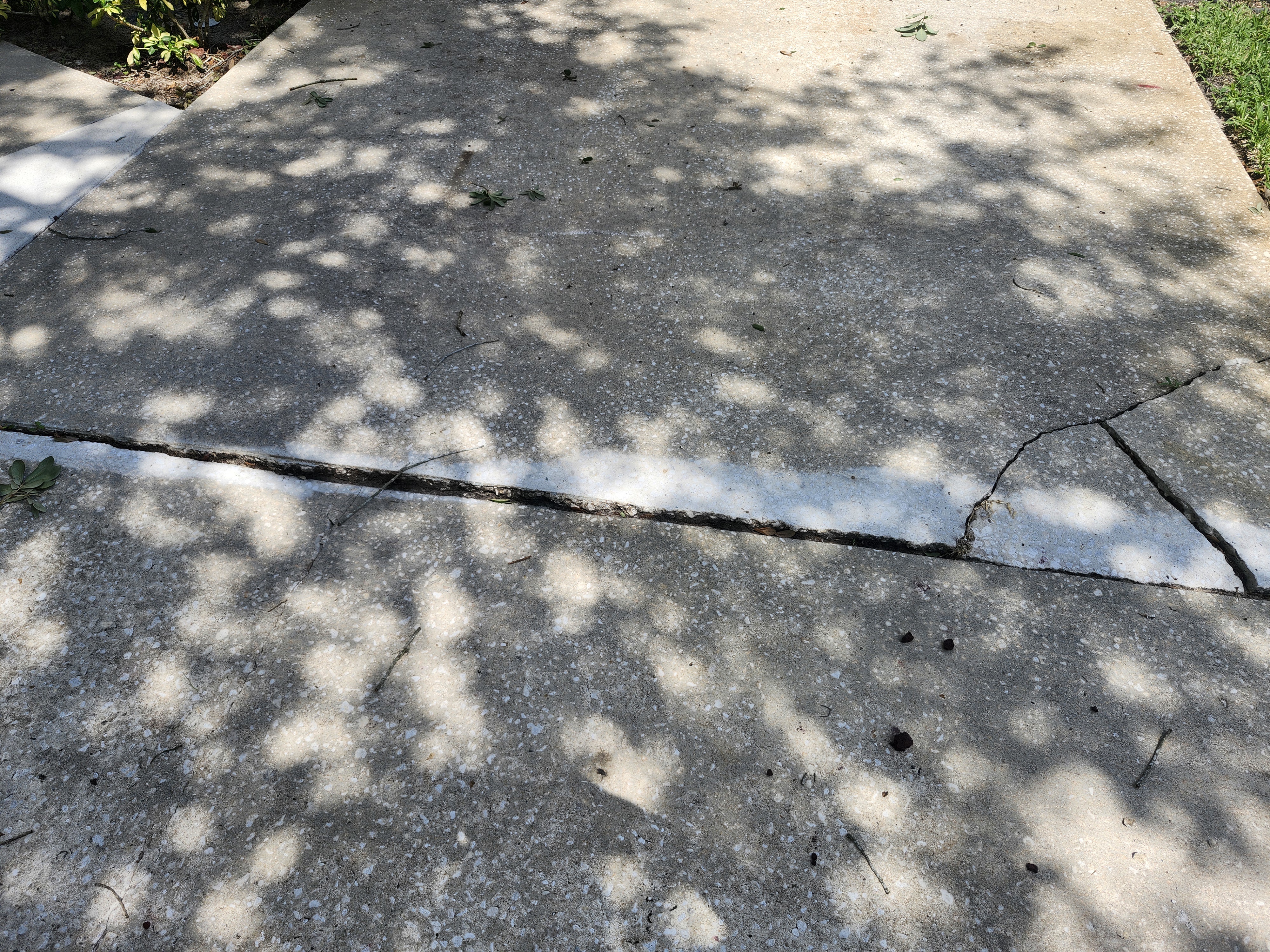
1 min read
A concrete patch that looks finished today will not stay that way if the steel underneath is still rusting. Spalling starts below the surface, and a...
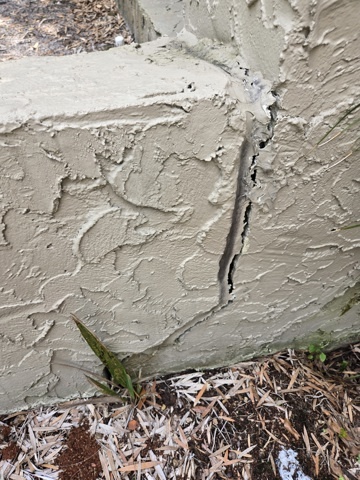
1 min read
A vertical crack running down a stucco corner is a movement story, not a sign of impact damage. Corners concentrate stress in a way flat wall...