1 min read
Why Resodding Keeps Failing on the Same Strip
New sod dies in the same spot again. We offer a complimentary on-site inspection to find the real cause before the next pallet arrives, because a...
12 min read
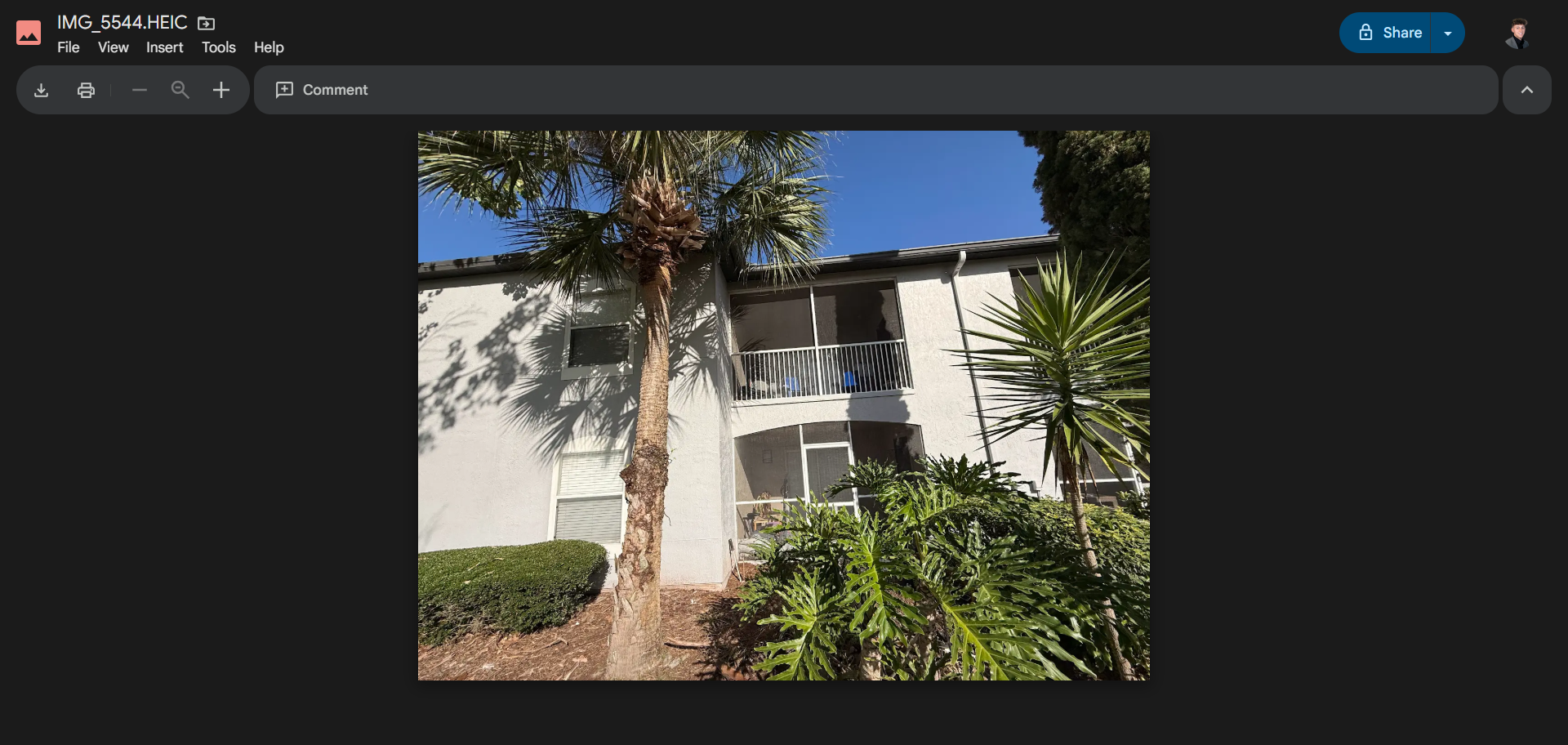
A small gutter repair on a tall building is about reach, not material. We offer a complimentary on-site inspection to scope the real access work, because the part of the job that looks small on paper is rarely the part that takes the most time.
A 10 foot gutter job that needs a 31 foot downspout tells you most of what you need to know about why these repairs cost what they do on a multi-story building.
This corner tells the story. The gutter run above the entry is short, only 10 linear feet. But the water it collects still has to travel the full height of the building to drain, and when the corner gap opened up, every storm fed water straight behind the fascia instead of down the downspout where it belonged.
A gap this size does not stay small. Water finding its way behind fascia works on wood and fasteners every time it rains, which is why a corner gap that looks minor from the ground is worth acting on before the next storm rather than after it.
This particular repair, on a real property in Central Florida, called for 10 linear feet of new 6 inch white aluminum gutter with clips, and 31 feet of 3-by-4 downspout with an adapter, elbow, and end cap. A spider lift was required for safe access. Total labor came to about 12 man-hours.
Most of those 12 hours are access and prep, not gutter installation itself. That ratio is the point: on a tall building, reaching the work safely takes longer than the work does once you are there.
On a single-story building, a gutter repair is mostly a material and labor question. On a multi-story building, the same repair adds a access question that changes the whole job: how do you get a person and tools safely to a corner three or four stories up, hold them there long enough to do clean work, and get them back down.
A spider lift solves that problem, but it has to be staged, set up, and operated correctly, which adds real hours before any gutter or downspout work even starts. That is not overhead padding the bill. It is the actual work required to do a small repair safely at height.
Not every gutter repair calls for the same equipment. The right choice depends on how high the work is, what the ground around the building looks like, and how long the crew needs to stay in place. Here is how the three common options compare.
| Equipment | Typical Height Range | Footprint Needed | Setup Time | Best Terrain |
|---|---|---|---|---|
| Extension ladder | Single story, low second story | Small, needs firm level ground at the base | Minutes | Flat, unobstructed, stable footing |
| Spider lift (compact tracked lift) | Mid-rise, three to five stories | Narrow, can thread through tight side yards and landscape beds | 30-60 minutes to position and stabilize | Uneven ground, slopes, planted areas, tight access lanes |
| Boom lift | Mid-rise to taller multi-story | Wide, needs open pavement or turf for outriggers | 30-45 minutes plus transport and staging | Open, flat, load-bearing surfaces like parking areas |
A ladder works fine for a single-story clubhouse or a low garage roofline. Once the work is three stories up or more, a ladder stops being a safe option and the job shifts to a lift.
A spider lift earns its keep on properties with landscaping, narrow side yards, or sloped ground between buildings, because its tracks and outriggers adjust to uneven terrain in ways a wheeled lift cannot. A boom lift is often the better call when the work is over open pavement and needs more reach or a wider working envelope than a spider lift's basket allows.
Working at height is where most of the risk in a gutter repair lives, not in the material itself. A homeowner or handyman on a ladder at three stories is taking on real fall risk with no fall protection and no second set of hands to stabilize the ladder or catch a mistake.
Professional access equipment exists because it removes that guesswork. A trained operator sets up the lift on stable ground, checks the working radius, and keeps the platform steady while the crew works, instead of balancing tools and materials on a ladder rung three stories up.
This is general best practice, not a legal requirement we are citing. The point is simple: the right equipment and a trained operator turn a genuinely dangerous task into a routine one. That is worth paying for on any building taller than a single story.
New gutter and downspout material is a small part of what this repair actually fixes. The larger question is where the water goes once it leaves the roofline, and whether the path it travels down the building actually carries it away from the fascia and foundation.
A 31 foot downspout run is not a random number. It reflects the real height of the water's path on this building, from the gutter corner down to grade. Sizing and routing that path correctly is what prevents the same corner gap from reopening after the next heavy rain.
A gutter system has more parts than most boards realize, and each one has a specific job. Knowing the parts makes it easier to understand what a repair estimate is actually pricing.
Every one of these parts has to work together. A new gutter section with a failed hanger, or a downspout with no splash block at the bottom, still lets water cause the same kind of damage the repair was meant to prevent.
Gutters are commonly sized at 5 inch or 6 inch, and downspouts at 2-by-3 inch or 3-by-4 inch, as a matter of general industry practice. A larger gutter and downspout simply move more water per minute, which matters more on a roof with a large collection area or on a building that sees heavy tropical downpours.
Pitch is the slight slope built into a gutter run so water flows toward the downspout instead of sitting still. A run with too little pitch holds standing water, which adds weight, invites debris to settle, and accelerates corrosion at the low point. Too much pitch in the wrong spot can overwhelm one downspout while leaving the rest of the run nearly dry.
Getting pitch right along a run is a judgment call a licensed installer makes on site, not something that shows up on a spec sheet. It is one of the reasons two gutter systems that look identical from the ground can perform very differently in a real storm.
On a single-story building, a gutter repair is mostly a material and labor question. On a multi-story building, the same repair adds an access question that changes the whole job: how do you get a person and tools safely to a corner three or four stories up, hold them there long enough to do clean work, and get them back down.
A spider lift solves that problem, but it has to be staged, set up, and operated correctly, which adds real hours before any gutter or downspout work even starts. That is not overhead padding the bill. It is the actual work required to do a small repair safely at height.
A gutter and fascia repair on a tall building follows a fairly consistent order. Knowing the sequence helps a board understand why a small-looking repair can still take the better part of a day.
Most repairs of this size are a single-day job once equipment is on site, though scheduling around lift delivery and weather can stretch that across two visits. The equipment staging and fascia assessment, not the gutter installation, are usually what determine how long the day actually runs.
Without getting into dollar figures, a handful of factors determine why one gutter repair costs more than another that looks similar from the ground.
This is why a detailed proposal matters. Two repairs with the same linear footage of gutter can carry very different access costs depending on height, terrain, and how much fascia work turns up once the old material is off.
Regular inspection catches a small gap before it becomes a fascia repair. In Central Florida, the calendar for that inspection follows the local debris and storm patterns.
Our hurricane drainage check guide covers the broader property drainage walk this gutter check fits inside, from grade-level swales to roof-level collection points.
Gutter and downspout failures are one part of the same broader water-path picture that drives drainage problems at grade. Our drainage solutions overview covers what happens once that water reaches the ground, swales, inlets, and grading, rather than the building envelope itself.
Checking gutters and downspouts for blockage or damage is also one of the standard items on a pre-storm property walk. See our August storm prep checklist for the full list, including where a gutter check fits alongside the other seasonal items.
Access and prep driving the bulk of the labor hours is not unique to gutters. The same pattern shows up in other exterior repairs where the visible material cost is small relative to the work required to reach and stage it safely. Our sidewalk grinding what-to-expect guide covers that same access-and-prep reality for a ground-level repair.
A corner gap that lets water behind the fascia is a close cousin to the wall cracks that let water reach structural steel; both start small and get worse on their own schedule. Our rust stains on community walls guide covers that pattern for masonry.
The original five questions below still matter. This expanded list adds the follow-up questions that separate a specific answer from a vague one.
If the work is above a single story, or the ground around the building is uneven or landscaped, a lift is the safer and often faster choice. A contractor doing an inspection can confirm this on site based on the specific corner and terrain.
Yes, over time. Water finding its way behind fascia repeatedly softens wood and corrodes fasteners with every rain, and that damage compounds each storm season it goes unaddressed.
The downspout length reflects the building's height, not the length of the damaged gutter section. Water collected at that corner still has to travel the full vertical distance to grade, regardless of how short the horizontal gutter run is.
Most repairs of this scale are a single day once equipment is on site, from inspection through the final water test. Equipment delivery scheduling or weather can occasionally push it across two visits.
Once a lift or ladder is staged at a building, it is efficient to have the same crew look at nearby corners for early signs of the same problem, even if only one corner is actively failing today.
A seasonal rhythm works well here: before hurricane season begins, again during peak storm months, once more as fall leaf drop picks up, and after any significant named storm regardless of the calendar.
Send a photo of any gutter corner gap or fascia separation to your contractor before it becomes a bigger repair. A 10 foot gutter section is a small material cost. The access required to reach it safely on a multi-story building is the real driver of the job, and that is exactly why a detailed proposal matters more here than on a ground-level repair.
Send us a photo of your gutter corners after the next storm and we will tell you what we see. We offer a complimentary on-site inspection and a clear, specific proposal for gutter, fascia, and exterior repair across Central Florida, including Orlando, Longwood, Sanford, Maitland, Casselberry, Winter Park, and Lake Mary, as part of our general maintenance services. Call the office at (407) 744-9122 or contact us to get the access work scoped correctly.
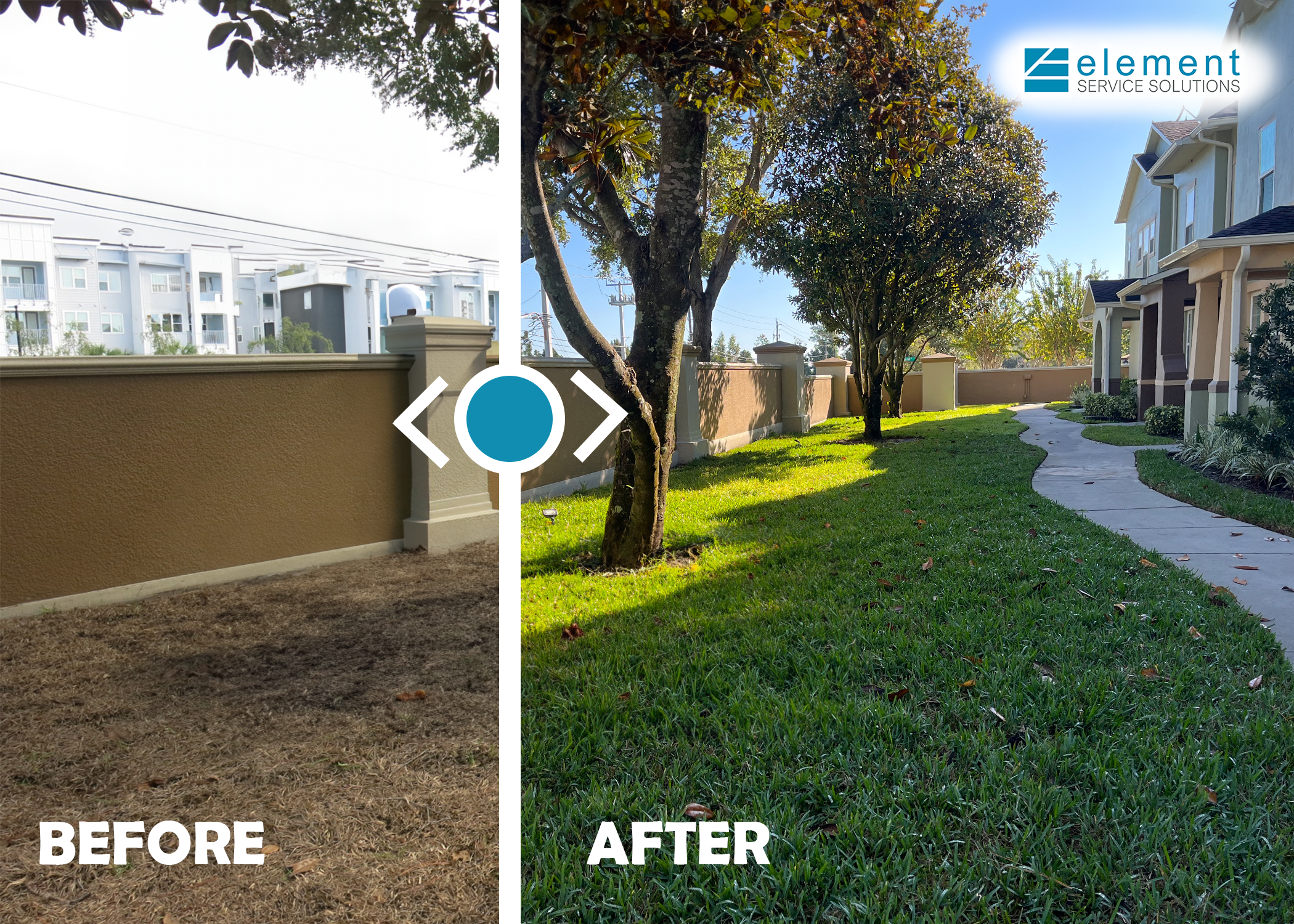
1 min read
New sod dies in the same spot again. We offer a complimentary on-site inspection to find the real cause before the next pallet arrives, because a...
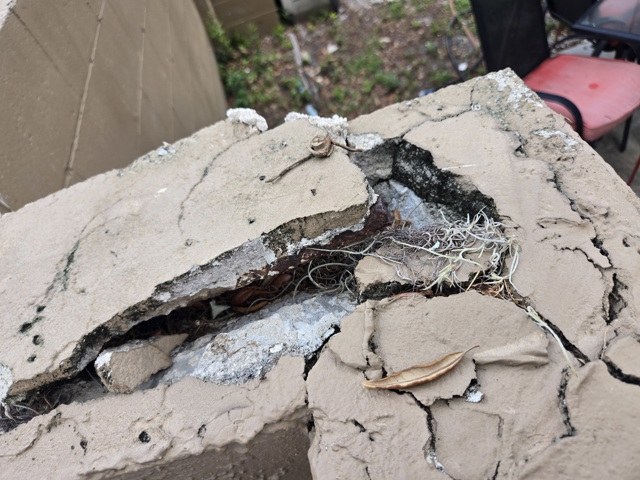
1 min read
Rust stains on a wall crack mean water reached the steel inside. We offer a complimentary on-site inspection before it spreads further, but the more...
1 min read
Run this August storm prep checklist before the season's statistical peak. We offer a complimentary on-site inspection, but the checklist itself...