The Engineer's Report Arrived. What Your Board Does Next Matters More.
An engineer's report only protects a community if every finding gets a written status. What boards do next, plus a complimentary on-site inspection...
10 min read
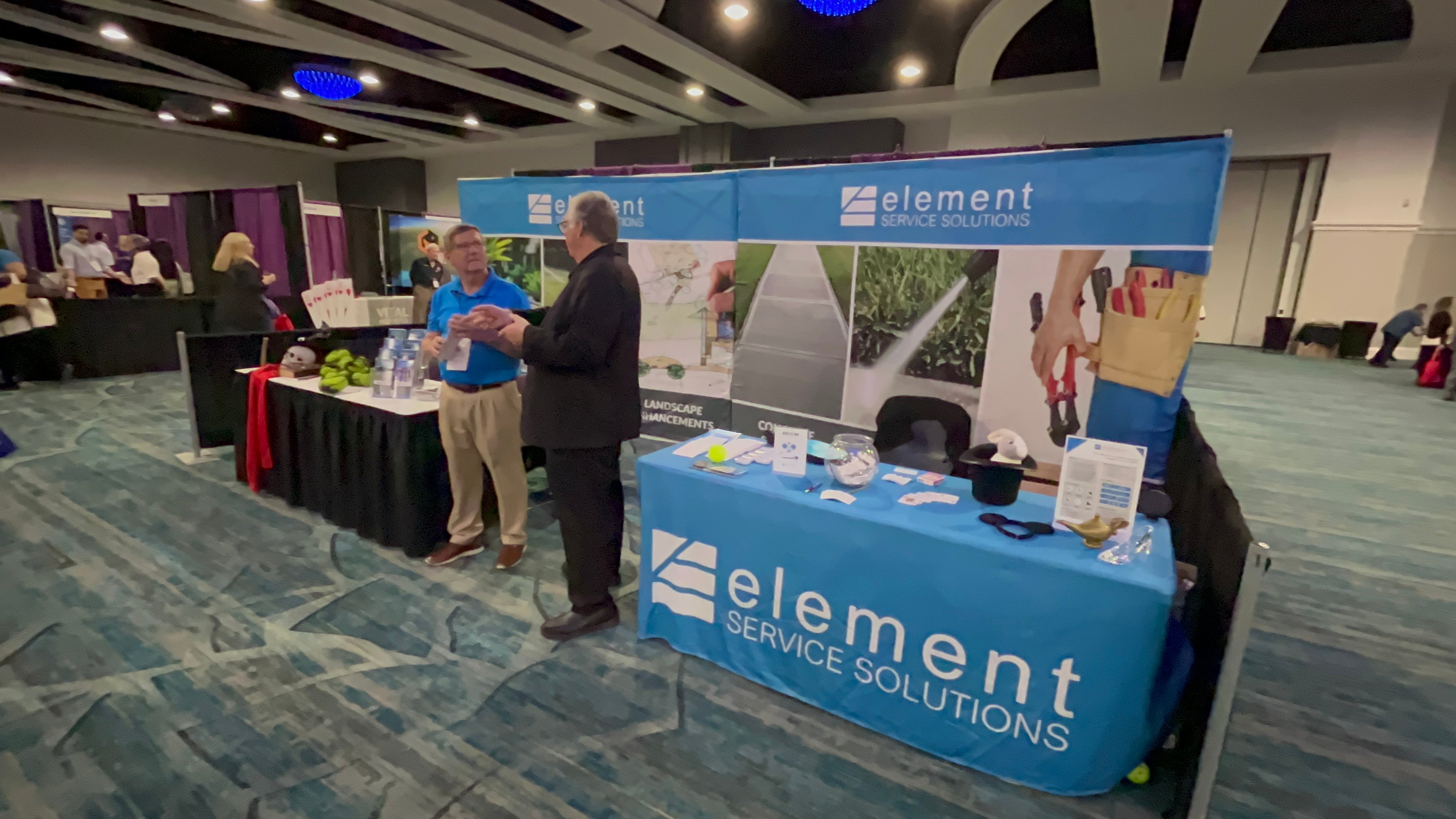
Ten minutes at a booth can tell you more than a polished brochure. Here are the questions a community manager should ask any contractor at a trade show, and the answers to listen for.
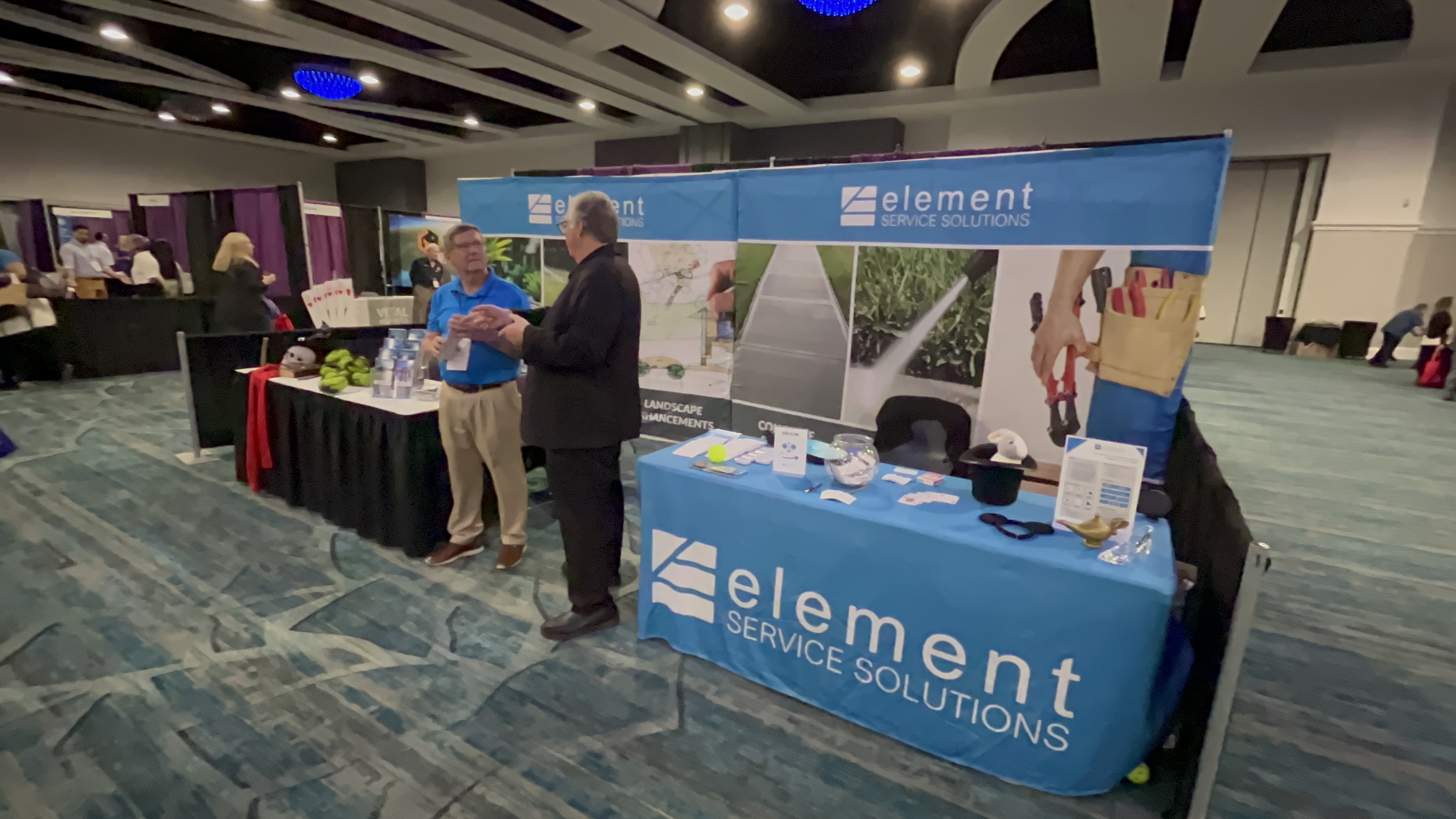
Trade shows put dozens of vendors in one room for a few hours. That density is the whole value. You can compare how five different contractors think about the same problem in a single afternoon, without scheduling five separate meetings.
Our team attends CAM industry events across Central Florida through the year, including CAM U Homecoming earlier this month. We stand on the vendor side of that table. So this list is written with full knowledge of what a booth pitch is designed to do, and how to get past it.
The goal is not to catch anyone out. It is to find the contractors whose answers hold up when you push one level deeper than the brochure goes.
A trade show pays off in proportion to how prepared you arrive. Spend twenty minutes before the show doing three things. First, list the two or three real problems on your properties that you would want a contractor's opinion on. Second, print the question bank below, one sheet per trade category you expect to shop for. Third, decide in advance which categories matter most this year, so you are not spending equal time at every booth regardless of relevance.
Bring a stack of your own business cards and a pen that actually works. Half the value of a show happens on the back of the cards you collect, and that only works if you can write on them.
Spend real time at fewer booths rather than a rushed minute at every one. A five-minute conversation using the questions below tells you more than a ten-second pass collecting a pen. Take notes immediately, not from memory afterward. Ask at least one question from the scope-thinking bank and one from the paper bank at every booth, regardless of how the pitch is going, since both take less than a minute to ask.
Do the sorting the same day or the next morning, while the booth conversations are still fresh. Separate the cards into three piles: worth a follow-up call, worth keeping on file, and not a fit. The follow-up sequence template later in this guide gives you a simple structure for the first pile.
Skip the opening script. Bring a real problem from a real property you manage and describe it in two sentences. A lifted sidewalk panel. A stained wall. Paint peeling three years after the last repaint. Then watch what happens next.
A contractor worth shortlisting starts asking you questions back. How old is the surface? Has it been repaired before? Is there water involved? A contractor who jumps straight to "we can do that" without a single follow-up question is quoting from hope, not from scope.
Different trades reveal expertise through different questions. Use the category that matches the booth you are standing at.
These questions separate contractors who estimate from contractors who guess:
That fourth question is the strongest one on the list. Every trade has a boundary where its cheapest fix stops working. A vendor who can describe that boundary clearly has walked enough properties to know it. One who claims their method fits every situation has not, or is not being straight with you. The same test works for painting bids, where the prep questions matter more than the price line.
You do not need trade expertise to score an answer well. Listen for these patterns while you are still standing at the booth.
| What You Hear | What It Signals |
|---|---|
| A specific number or timeframe in the answer | Strong. Specifics come from experience, not from a script. |
| A question asked back at you before they answer | Strong. They are diagnosing, not reciting. |
| "It depends," followed by an explanation of what it depends on | Strong. This is an honest answer, not a dodge, when the explanation is concrete. |
| "We can do that" with no follow-up question at all | Weak. Likely quoting from hope rather than a real look at the work. |
| A vague answer redirected to "call our office" for specifics | Weak. A booth conversation should not require a second appointment to answer a simple question. |
| Confident claims that cover every trade without exception | Weak. Legitimate specialists know their own boundaries. |
Most contractor relationships fail on communication, not workmanship. Set the expectations while you are standing at the booth:
Note the specific numbers in the answers. "Fast" is not an answer. "Within one business day" is an answer you can hold someone to later.
The booth is also the easiest place to ask the awkward credential questions, because everyone expects them there:
None of these should produce hesitation. A contractor who works with associations regularly answers all three without blinking, because every board asks. We cover the full verification process in our guide to how Florida boards vet contractors, which goes deeper than a booth conversation can.
A few patterns are worth walking away from, no matter how good the giveaway pens are.
On the other side, the good signs are just as visible. Specific answers with numbers in them. Questions asked back at you. A willingness to say "that is not our trade" and point you elsewhere. Contractors confident in their own scope do not need to claim every scope. If a vendor hands you a written vetting checklist or a plain-English guide at the booth, that is a company that expects to be checked. We keep our board guides at ours for exactly that reason, including our guide to what boards do after an engineer's report.
You will not remember which booth said what by the time you are back at your desk. Use the same five-line shorthand on the back of every card you keep, so your notes are comparable across a dozen conversations.
The show itself is only the first touch. What happens in the two weeks after is what turns a business card into a usable vendor relationship.
The biggest mistake boards make with trade shows is only collecting vendors when a project is already active. A show is a better opportunity to build a bench of contractors you trust before you need one urgently.
Keep a running list, sorted by trade category, of every vendor who scored well at a show, whether you needed their service that month or not. When a real problem shows up later, you are choosing from a shortlist you already trust instead of starting the vetting process from zero under time pressure. A bench built over two or three years of shows, paired with the fuller vetting process in our guide to how Florida boards vet contractors, means most projects start with a phone call instead of a search.
A booth conversation is also a chance to ask what actually moves a price up or down for a given trade, without needing a number attached to the answer. Understanding these drivers ahead of time makes a board a sharper reader of the bids that come in later.
Asking a vendor to name these drivers unprompted, rather than asking a leading question, is itself one of the scope-thinking tests from earlier in this guide. A contractor who understands their own cost structure will explain these factors clearly, without being asked twice.
Print the questions above and bring them to your next show. Write the answers on the back of each business card you collect. Two weeks later, when the follow-up emails arrive, you will have something better than a memory of a friendly conversation. You will have a record of who answered with specifics and who answered with slogans. The vendors who did well on paper are the ones worth inviting out for a proper look at a real problem, like the sidewalk trip hazards most communities are carrying right now.
Enough for at least one scope question and one paper question, usually a few minutes. Spend more time at booths covering a trade you actually plan to hire this year.
Treat the booth conversation as the first step, not the last. Verify the license that evening and call the references they offer before moving forward, same as any other vendor.
It is fine to ask how pricing is structured or what drives cost up or down, but a real number needs an actual site visit. Anyone offering a firm price from a two-minute conversation has not seen your property.
No. Booth staff expect most conversations not to convert. A polite close and a move to the next table is normal trade show behavior.
Fewer than you think. A short list of contractors who answered specifically and confidently is more useful than a long list of everyone who handed you a card.
When is your service not the right fix. It is the fastest way to tell a specialist from a vendor who says yes to everything.
If you would rather test us on a real property than at a table, we offer a complimentary on-site inspection and a clear, specific proposal for community repairs across Central Florida, including Orlando, Longwood, Sanford, Maitland, Casselberry, Winter Park, and Lake Mary. Call the office at (407) 744-9122 or message us through our contact page to schedule a walk-through of your property.
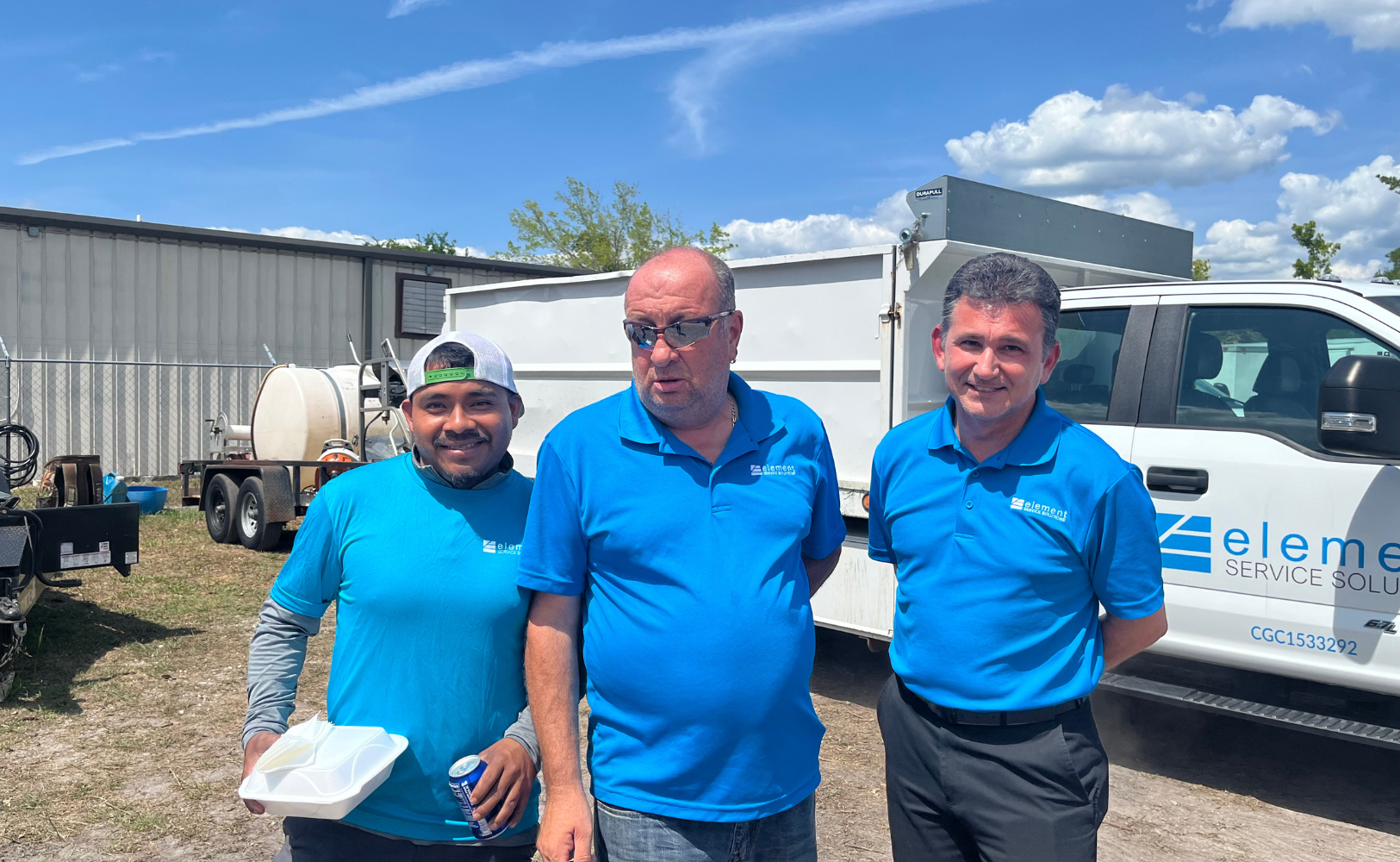
An engineer's report only protects a community if every finding gets a written status. What boards do next, plus a complimentary on-site inspection...
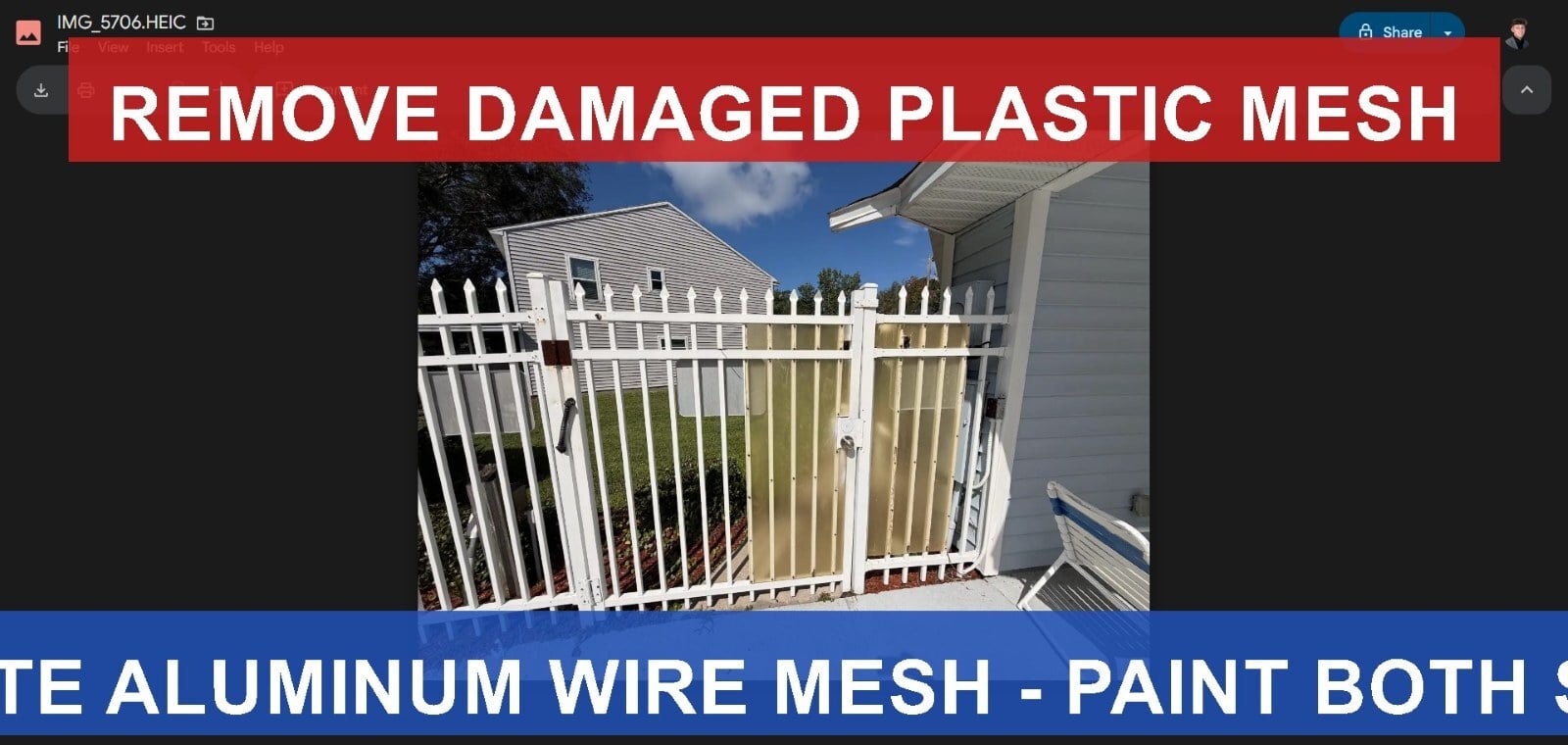
Splitting one project across three trades does not split the work three ways. Learn what a board and property manager actually absorb when nobody...
"Responsive" is not a standard, it is an adjective. Here is how a Florida board writes vendor communication into the award instead of hoping for it.