Sidewalk Grinding Day: What Actually Happens on Your Property
What a sidewalk grinding visit actually looks like: access, dust control, repairs in place, hours not days. Request a complimentary on-site...
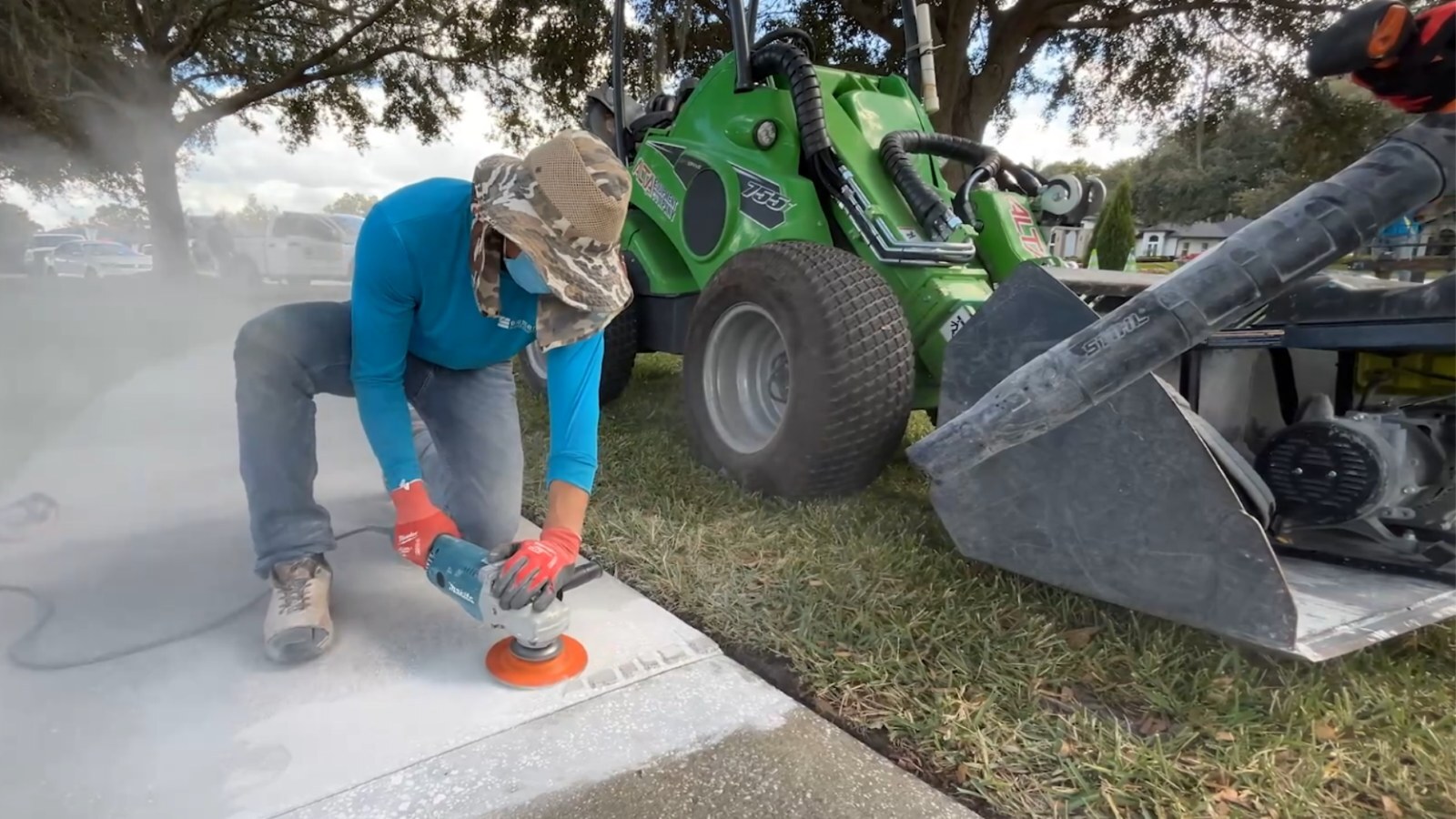
Ask a board member to list the concrete on their property and most will say sidewalks, maybe the pool deck if they think about it a second longer. Walk the same property with a clipboard and the actual count usually runs into double digits: curb sections, ADA ramps, a dumpster pad, a mail kiosk slab, an equipment pad behind the clubhouse, an entry apron, a valley gutter that carries stormwater across a drive aisle, wheel stops in a dozen spots. Every one of those is a separate concrete element with its own load, its own exposure, and its own failure pattern. Budgeting for "concrete" as a single line item is how a reserve study ends up underfunded for the piece nobody remembered to walk.
This is a working inventory. Read it with the property in mind, not the page, and expect to find at least a few elements on this list that have never been on anyone's inspection route before.
Concrete fails differently depending on what sits on top of it, what drains across it, and what drives or rolls over it. A sidewalk sees foot traffic and root pressure from nearby landscaping. A dumpster pad sees repeated point loading from a heavy vehicle's wheels in the same few spots, week after week. A pool deck sees standing water, chemical exposure, and sun in a cycle that ages it differently from a shaded walking path twenty feet away. Treating all of it as one maintenance category means the reserve study either overfunds the elements that were never at real risk, or underfunds the one nobody separated out and priced on its own.
The fix is not complicated. It is a walked inventory, done once, then checked on a schedule. What follows is the full list, organized by what to look for and what a given symptom usually means.
The most familiar concrete on any property, and the one most likely to already have an inspection habit attached to it. Watch for slab lift at joints, especially near mature trees, and for the kind of surface deterioration that leaves the aggregate exposed. When a sidewalk panel is failing, the board's real decision is whether the panel is a candidate for grinding down a lip versus a full slab replacement; that decision, and how to make it, is covered in Sidewalk Grinding vs. Replacement. If patches keep failing in the same spot, the underlying reason is almost always the same mechanism explained in Why Concrete Patches Fail.
Curb concrete takes a beating from vehicle contact, from delivery trucks clipping a corner to residents parking a few inches too close, week after week. Look for chipped or spalled edges at corners and driveway cuts, and for gutter sections holding standing water instead of carrying it to the nearest drain, which usually means the slope has settled rather than that the concrete itself failed.
These carry both a walkability concern and a compliance concern that boards should route through their association attorney rather than treat as a maintenance-only question. What a maintenance walk can catch on its own: cracking or spalling in the ramp surface, domes that are worn smooth, loose, or missing entirely, and any ponding at the base of the ramp where water should be draining away.
These take some of the hardest point loading on the property. Waste and recycling trucks lift and set heavy containers in almost the same spot on every service run, and that repeated load concentrates stress at the pad's edges and at any joint near the truck's typical stance. Look for edge spalling, cracking that radiates from a corner, and staining or surface breakdown near where the container itself sits, which can point to a chemical exposure issue on top of the mechanical wear.
Pool deck concrete lives in a harsh cycle of standing water, sun exposure, and pool chemical contact, and it often carries a decorative finish coat that fails before the structural slab beneath it does. Watch for surface delamination or peeling of the finish coat, cracking that follows expansion joints versus cracking that runs across a panel at random, and any area holding water after the deck has had time to drain, which is a slope problem more than a concrete problem.
Small, easy to overlook, and heavily trafficked by foot and occasionally by a delivery vehicle pulling close. Look for cracking at the base of kiosk support posts, where a structure anchored into the slab concentrates stress in a small area, and for edge wear where residents step off the pad onto adjacent turf or mulch, which often erodes the pad's border over time.
Transformer pads, generator pads, HVAC pads, lift station pads. These are frequently the most neglected concrete on the property because they sit behind fencing or landscaping, out of the normal walking route, and nobody puts them on an inspection list until something visibly wrong forces the issue. Watch for cracking near equipment anchor bolts, settling that has tilted the pad out of level, which can stress equipment mounted on top of it, and vegetation growth at the pad's edge that is holding moisture against the slab.
The transition slab between a public roadway or a community's main drive and the interior pavement takes constant turning stress from vehicles slowing and swinging into the property. Look for alligator-pattern cracking, which usually indicates a base failure beneath the slab rather than a surface problem, and for a lip forming where the apron meets the adjacent asphalt, which is a trip and vehicle-impact concern.
These carry stormwater across a drive aisle or parking area, often at a point where two grades meet, and they take vehicle traffic directly across their surface every time a car crosses. Watch for erosion at the gutter's edges where water concentrates, cracking along the gutter's centerline, and any section where the gutter has settled below its designed slope and started holding water instead of channeling it, since a shallow valley gutter can turn from a drainage feature into a standing puddle.
Precast or cast-in-place wheel stops anchor into a parking surface and take repeated direct vehicle contact by design. Look for stops that have broken loose from their anchors and shifted out of position, cracked stops that are shedding chunks of concrete into the parking stall, and anchor pins backing out, which turns a wheel stop into its own trip hazard in the drive lane.
The table below is built to be walked with, not just read. Use it against the actual property, element by element.
| Element | What failure looks like | What it usually means |
|---|---|---|
| Sidewalks | Lifted panel at a joint, exposed aggregate | Root pressure or base settlement; grinding may resolve a lip, or the panel needs replacement |
| Curbs and gutters | Chipped corners, standing water in the gutter line | Vehicle contact wear, or the gutter has lost its designed slope |
| ADA ramps | Worn or missing domes, cracked ramp surface, ponding at the base | Surface wear plus a possible compliance question; route to the association attorney |
| Dumpster pads | Edge spalling, radiating corner cracks, surface staining | Repeated point loading from service vehicles, sometimes compounded by chemical exposure |
| Pool decks | Peeling finish coat, random cracking, standing water | Finish coat failure separate from the structural slab, or a slope problem |
| Mail kiosk pads | Cracking at post bases, eroded edges | Anchor stress concentration, or turf erosion undermining the slab edge |
| Equipment pads | Cracking near anchor bolts, tilted or settled pad | Base settlement, potentially affecting equipment level and function |
| Entry aprons | Alligator cracking, a lip at the asphalt transition | Base failure beneath the slab, or differential settlement between materials |
| Valley gutters | Edge erosion, settled sections holding water | Loss of designed slope; drainage function is compromised |
| Wheel stops | Broken anchors, shifted position, cracked chunks | Direct vehicle impact over time; often a simple hardware fix, sometimes a full replacement |
Not every element needs the same attention. High-traffic and high-liability elements deserve a shorter interval than a rarely seen equipment pad, and Florida's wet season adds a seasonal argument for checking drainage-dependent elements right before and right after it.
| Element | Suggested frequency | Best timing |
|---|---|---|
| Sidewalks and walking paths | Twice a year | Spring and fall walk-through |
| Curbs and gutters | Twice a year | Alongside the sidewalk walk |
| ADA ramps | Twice a year, plus after any storm event | Spring and fall, plus post-storm check |
| Dumpster pads | Quarterly | Any season; wear is load-driven, not seasonal |
| Pool decks | Quarterly during pool season, twice a year otherwise | Before season opens and mid-season |
| Mail kiosk pads | Twice a year | Alongside the sidewalk walk |
| Equipment pads | Annually, plus after any known settling event nearby | Before hurricane season |
| Entry and drive aprons | Twice a year | Spring and fall |
| Valley gutters | Before and after wet season | Early summer and early fall |
| Wheel stops | Twice a year | Alongside the parking lot walk |
Print this and carry it on the actual walk. The goal is a location and a condition note for each element, not a pass or fail judgment on the spot.
Boards that have recently had a milestone inspection performed sometimes assume flatwork and site concrete were part of what got reviewed. Usually it was not. A structural milestone inspection is scoped to the building envelope and structural components, not to sidewalks, curbs, or equipment pads scattered across the property. If your community is working from a fresh inspection report and trying to figure out what it did and did not actually cover, What a Milestone Inspection Does Not Cover walks through the gap in more detail. This concrete inventory is a natural next step after that report, not a substitute for it.
Once a board has a dated, photographed inventory, the next step is turning individual flagged items into a documented plan a treasurer can defend at a meeting, rather than a vague sense that "the concrete needs work." That documentation habit, and how to keep a proposal's numbers from going stale before the board acts on them, is covered in Budgeting When Construction Prices Move.
If the inventory turns up work across several different elements at once, say a dumpster pad, an entry apron, and a run of sidewalk panels, boards sometimes default to bidding each one out separately by type. Before doing that, it is worth understanding what coordinating three separate award cycles for related concrete work actually costs the board in time and oversight, covered in The Hidden Cost of Multiple Vendors.
A few patterns show up often enough on Central Florida properties that they are worth naming directly, so a board can check its own process against them.
Treating concrete as a single reserve line. When sidewalks, curbs, ramps, and pads are all bundled into one "concrete" reserve category, the study has no way to flag that one specific element, like a dumpster pad taking repeated point loading, is aging faster than the rest. Separating the inventory by element, even at a basic level, gives the reserve study something real to work from instead of an average.
Inspecting only what is on the walking route. Sidewalks and entry aprons get looked at because residents and board members cross them daily. Equipment pads behind a fence and valley gutters at the edge of a parking area do not get the same passive attention, and they are frequently the elements that have been quietly failing the longest by the time anyone notices.
Calling every crack an emergency, or ignoring every crack as cosmetic. Both extremes waste board time. A hairline crack that has not moved in two seasons of photographed checks is a different conversation than a crack that has widened and now has a lip on one side. The inventory habit, checked on a schedule, is what turns "is this crack a problem" from a guess into an answer with evidence behind it.
Waiting for a resident complaint to trigger the inspection. By the time a resident reports a tripping hazard or a cracked pad, the condition has usually been developing for a while. A scheduled walk catches it earlier, when the fix is smaller and the board has more time to plan around a budget cycle instead of reacting mid-year.
Assuming a vendor doing one type of concrete work will flag unrelated issues nearby. A crew resurfacing a pool deck is not necessarily going to walk over and inspect the dumpster pad on the other side of the property, even if it is failing. Concrete issues get found because someone is specifically looking for them across the whole inventory, not because any single vendor visit happens to catch everything.
Board turnover is routine, and an inventory that lives only in one person's memory or inbox does not survive it. Keep the walked inventory as a standing document: element, location description, date of last check, condition note, and photo reference. When a vendor is engaged for any part of this work, ask that close-out documentation, including final photos of completed repairs, gets added back into the same file. What that close-out reporting should look like, and how to hold a vendor to it, is covered in Evaluating Vendor Communication.
More than most boards expect. A single-family HOA off a collector road might have curbs, an entry apron, sidewalks, and a mail kiosk pad at minimum. A larger condo community can easily reach a dozen distinct elements once pool decks, equipment pads, dumpster enclosures, and ADA ramps are counted separately. The only way to know the real number is to walk the property with this list.
No. Fine surface cracking, particularly along expansion joints, is common and often cosmetic. The distinctions that matter are whether the crack is widening, whether it follows a random pattern across the panel rather than a joint line, and whether there is a lip or height difference on either side of it. Photograph and date any crack so future inspections can tell whether it is moving.
The initial inventory can be walked by a board member or manager using this checklist; it does not require a licensed contractor to identify and log locations. Once specific items are flagged as potential repair candidates, bringing in a contractor for an on-site assessment of those specific spots is the right next step, rather than requesting a full property evaluation before any concerns have been identified.
It is usually a visibility problem, not a negligence problem. Equipment pads typically sit behind fencing, screening, or landscaping specifically to keep them out of sight, which also keeps them out of the normal walking route a manager or board member takes through the property. Adding them explicitly to a scheduled inspection list is the fix.
Both, in most cases. A contractor can assess and document the physical condition, but any question about whether a ramp meets current accessibility requirements should be confirmed with the association's attorney before the board treats it as purely a maintenance decision.
Walk the property once with this checklist and a phone camera, focused only on locating and photographing each element type, not yet on judging its condition. A first pass that simply confirms what exists and where gives the board a baseline; a second pass a few weeks later can focus on condition notes once the full inventory is mapped.
If your board wants a second set of eyes on the property's concrete inventory, or help turning flagged items into a documented repair plan, Element Service Solutions offers a complimentary on-site inspection to walk the property and help the board prioritize what needs attention first.
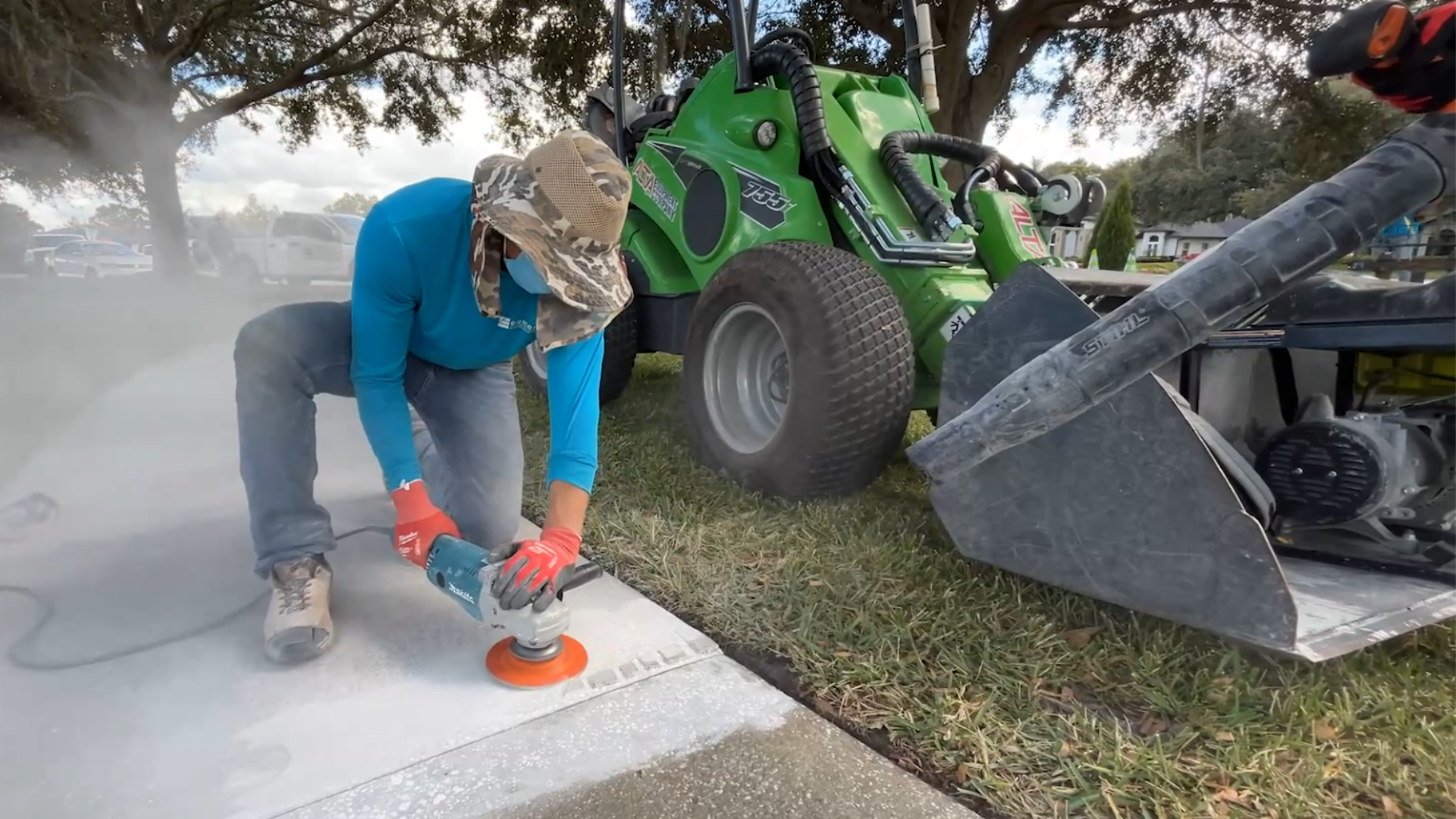
What a sidewalk grinding visit actually looks like: access, dust control, repairs in place, hours not days. Request a complimentary on-site...
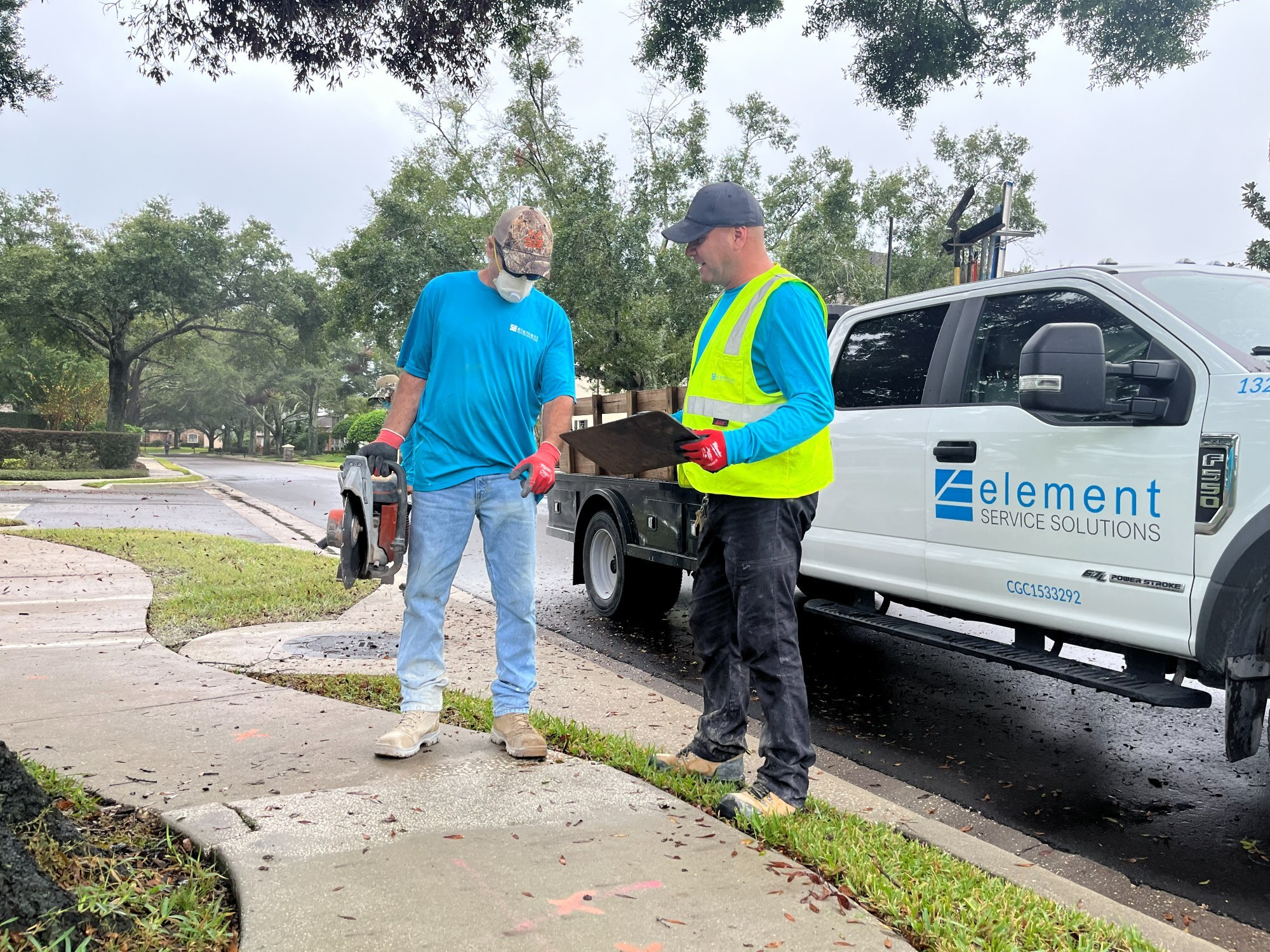
Concrete crews rarely start at the door closest to you, and there is a reason. Here is how a real sequence plan protects access during a repair.
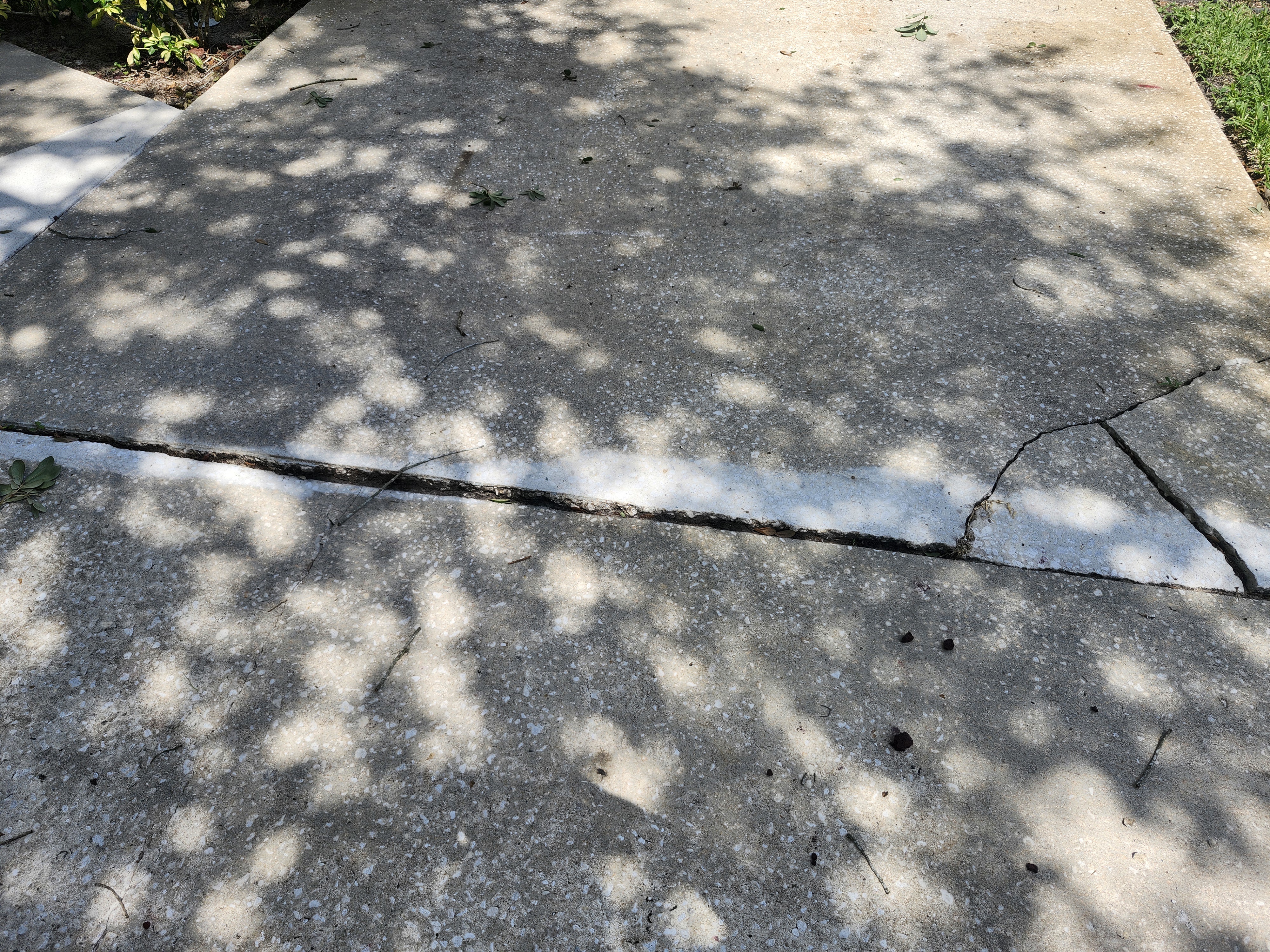
A concrete patch that skips the rusting steel underneath fails within a season. Request a complimentary on-site inspection today.